
Entering the restaurant industry for the first time can feel challenging, especially when an investor has limited experience with food operations, staffing, customer service, and daily business management. A Restaurant Franchise for Beginners can provide a structured path for new investors who want to start with an established concept and organized operating procedures.
Unique Food, a specialized food company focused on serving meals, supports investors through important stages of restaurant development, from investment consultation and location selection to training and ongoing operational assistance.
Understanding a Restaurant Franchise for Beginners
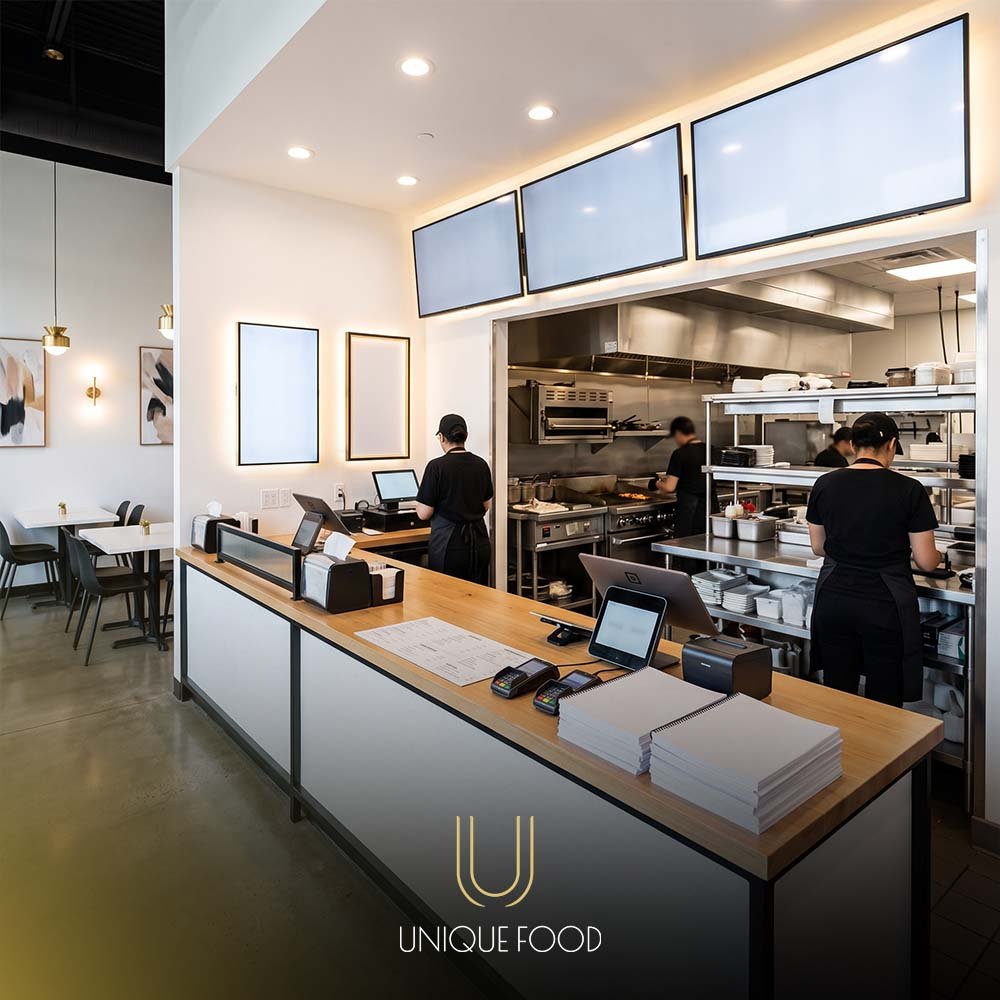
A Restaurant Franchise for Beginners is designed around a structured business model that can make the process of entering the food industry easier to understand. Instead of creating a restaurant concept, operating system, and customer experience independently, the investor works within an established framework. This approach can provide clearer guidance while allowing the investor to develop practical management experience.
Starting With an Established Concept
Creating a restaurant from the ground up requires decisions about branding, products, service standards, kitchen operations, staffing, and customer experience. A franchise can provide a predefined concept that gives beginners a clearer starting point. This allows the investor to concentrate on understanding the business and implementing established procedures correctly.
Learning Restaurant Operations
Beginners need to understand how different restaurant activities connect with each other. Purchasing affects inventory, inventory affects food preparation, staffing affects service speed, and customer service affects satisfaction. Learning these relationships through an organized operating model can help new investors develop stronger management skills.
Access to Training
Training is particularly important for investors who have never managed a restaurant. It can introduce them to operating procedures, employee responsibilities, food quality standards, customer service, and administrative processes. Proper training can help beginners approach their new business with greater confidence and clearer expectations.
Professional Support
New investors may face questions during location selection, preparation, staffing, and daily operation. Having professional support can help them understand the appropriate steps and avoid unnecessary mistakes. Guidance is especially valuable during the early stages when the investor is still developing practical experience.
Building Management Experience
A restaurant franchise can provide beginners with an opportunity to develop business skills while operating within a defined structure. Over time, investors can become more familiar with staffing, inventory, customer relationships, financial monitoring, and operational planning.
Why Choose a Franchise as a Beginner?

A Restaurant Franchise for Beginners can reduce some of the complexity associated with launching an independent restaurant. However, beginners should still approach the opportunity as a serious business investment that requires planning, supervision, and commitment.
Structured Business Model
An established business model can give beginners a clearer understanding of how the restaurant should operate. Instead of developing every process independently, the investor can follow defined procedures and learn how they contribute to the overall performance of the branch.
Reduced Learning Curve
Independent restaurant owners often learn through experimentation, which can involve costly mistakes. A franchise provides access to established knowledge and procedures that can shorten the learning process. Beginners can learn from existing systems while gradually developing their own management capabilities.
Clear Responsibilities
A structured restaurant model can help clarify what needs to be done before opening and during daily operations. Responsibilities related to employees, inventory, service, food preparation, cleanliness, and administration can be organized more effectively.
Training Before Launch
Preparation should begin before customers arrive. Training gives employees and management an opportunity to understand procedures and identify potential problems before opening. For beginners, this preparation can make the transition from investor to restaurant operator more manageable.
Ongoing Guidance
The need for support does not disappear after opening. Beginners may encounter operational challenges as customer demand changes or employees gain experience. Continued administrative and technical guidance can help management respond to these situations more effectively.
How Beginners Should Evaluate a Restaurant Franchise
When considering a Restaurant Franchise for Beginners, investors should avoid choosing an opportunity simply because it appears easy to start. A complete evaluation should consider the concept, market, location, financial requirements, training, and long-term potential.
Understand the Target Customer
Every restaurant should have a clearly defined audience. Beginners should understand who the restaurant is designed to serve and what those customers value. Age, lifestyle, purchasing behavior, food preferences, and location can all influence whether a concept has strong market potential.
Study the Restaurant Concept
The investor should understand the menu, customer experience, service style, product positioning, and operating requirements. A concept should be easy to understand and have a clear reason for customers to choose it.
Evaluate the Location
Location can strongly influence restaurant performance. Beginners should examine accessibility, visibility, parking, customer movement, nearby businesses, competition, rental costs, and surrounding demographics. The selected site should be compatible with the restaurant’s target audience.
Review the Financial Structure
New investors should understand all financial requirements rather than focusing only on the initial setup. Rent, salaries, ingredients, utilities, maintenance, marketing, equipment, and working capital can all affect the restaurant’s financial position.
Examine Training and Support
A beginner should pay close attention to the level of training and assistance available. Support with operations, employees, location, administration, and technical issues can help new investors navigate the early stages of the business more effectively.
Unique Food and New Restaurant Investors
Unique Food is a specialized food company focused on serving meals and supporting investors interested in restaurant projects. The company offers practical services that help investors organize the development process and approach restaurant operations with a clearer understanding of the requirements involved.
Investment Consultation
Unique Food can help beginners understand the proposed restaurant opportunity and assess whether it matches their objectives and resources. Consultation can address the concept, market, location, operational requirements, and potential challenges, giving the investor a broader view before moving forward.
Market Analysis
Beginners should avoid relying on assumptions about customer demand. Unique Food can support market analysis by examining customer characteristics, demand patterns, commercial activity, and the suitability of the selected area. This can help the investor make decisions based on market considerations.
Location Assistance
Selecting a location can be complicated for someone entering the restaurant industry for the first time. Unique Food can help evaluate potential sites according to accessibility, customer traffic, surrounding activities, competition, and compatibility with the restaurant concept.
Employee Training
Employees are an essential part of restaurant performance. Training can help staff understand food preparation, customer service, cleanliness, operating procedures, and their individual responsibilities. Preparing the team properly can improve consistency and reduce avoidable mistakes.
Ongoing Support
Beginners may require assistance after the restaurant opens. Administrative and technical support can help them address operational challenges, maintain standards, and improve procedures as they gain more experience managing the business.
Skills Beginners Need to Develop
A Restaurant Franchise for Beginners can provide an organized framework, but the investor still needs to develop practical business skills. Success requires active management rather than simply relying on the established concept.
Team Management
Employees influence food quality, service speed, cleanliness, and customer satisfaction. Beginners should learn how to communicate expectations, organize schedules, monitor performance, resolve workplace issues, and motivate employees to maintain consistent standards.
Financial Management
Restaurant owners need to understand where money comes from and where it goes. Monitoring sales, food costs, labor expenses, rent, utilities, waste, and marketing allows management to identify financial trends and make better decisions.
Customer Service
Customer relationships are essential for building repeat business. Beginners should understand how to respond to complaints, monitor customer feedback, maintain service standards, and identify opportunities to improve the overall dining experience.
Inventory Management
Inventory management involves purchasing, storage, consumption, and waste control. Beginners who understand these processes can reduce unnecessary losses while ensuring that the restaurant has enough ingredients and supplies to operate efficiently.
Problem Solving
Restaurant operations can change quickly. Equipment issues, staffing shortages, supply problems, customer complaints, and unexpected demand can require immediate decisions. Developing practical problem-solving skills helps beginners manage these situations without losing focus on the customer experience.
Common Beginner Mistakes
Starting a Restaurant Franchise for Beginners does not eliminate business risks. New investors should understand common mistakes so they can prepare more effectively.
Assuming the Franchise Runs Itself
A franchise provides systems and support, but the investor remains responsible for management and performance. Employees need supervision, costs need monitoring, and customers need attention. Active involvement is essential for maintaining the quality of the restaurant.
Ignoring the Local Market
An established concept still needs to fit its location. Beginners should research local customers and understand the demand before choosing a branch site. Market conditions can influence menu preferences, operating hours, customer traffic, and sales potential.
Underestimating Operating Expenses
New investors may focus heavily on opening costs while overlooking recurring expenses. Salaries, ingredients, utilities, rent, maintenance, marketing, and working capital must be considered when preparing the financial plan.
Neglecting Employee Development
Employees need continuous guidance, especially during the first months of operation. Training should not end on opening day. Regular feedback and supervision can help maintain standards and address problems before they become recurring issues.
Expanding Too Soon
Beginners may be tempted to open multiple branches after seeing initial customer interest. Expansion should only be considered when the first branch has stable operations, strong management, sufficient financial resources, and repeatable procedures.
Building Confidence as a Restaurant Investor
A Restaurant Franchise for Beginners can help new investors gain practical experience through a structured business environment. Confidence should come from preparation, knowledge, and consistent management rather than from assumptions about guaranteed results.
Learn the Daily Workflow
Beginners should understand what happens from the moment employees arrive until the restaurant closes. Knowing how purchasing, preparation, service, cleaning, inventory, and closing procedures connect helps investors monitor operations more effectively.
Stay Close to Customers
Customer feedback can reveal problems that may not appear in financial reports. Beginners should pay attention to comments about food, service, waiting times, cleanliness, and convenience. This information can guide practical improvements.
Monitor the Team
A strong team can make daily management easier, but performance should still be monitored. Managers should review attendance, productivity, service quality, and adherence to procedures while providing constructive feedback when necessary.
Review Business Data
Sales reports and operating data help investors understand what is happening inside the restaurant. Beginners should become comfortable reviewing revenue, expenses, inventory, waste, and product performance to support better decision-making.
Continue Learning
Restaurant management is an ongoing learning process. Customer preferences, technology, operating practices, and market conditions can change. Investors who continue developing their knowledge are better positioned to adapt their businesses.
Starting Your Restaurant Franchise With Unique Food
Unique Food can provide beginners with practical support as they move from investment planning toward restaurant operation. The company’s specialized focus on serving meals allows investors to approach the project with assistance across several important stages.
Define the Investment Objectives
The first step is understanding what the investor wants to achieve. Budget, business size, preferred location, involvement level, and long-term goals should be considered before selecting the appropriate restaurant opportunity.
Study the Opportunity
The investor should review the concept, target customers, operating requirements, location needs, financial structure, and available support. A detailed understanding of the project creates a stronger basis for decision-making.
Select the Location
The location should be evaluated according to customer demand, accessibility, visibility, parking, surrounding businesses, competition, and cost. Choosing a suitable site can make daily operations more practical and improve customer access.
Prepare the Team
Employees should be trained before opening. They need to understand their roles, service procedures, food preparation standards, cleanliness requirements, and operating systems. A prepared team helps the restaurant start with greater organization.
Launch and Monitor
After opening, the investor should monitor sales, customer feedback, inventory, employee performance, and operating expenses. Regular review helps identify areas that require improvement and supports better decisions as the business develops.
Long-Term Development for Beginners
A Restaurant Franchise for Beginners should be viewed as a long-term business project rather than a short-term opportunity. Beginners who build strong habits from the beginning can create a more stable foundation for future growth.
Maintain Consistent Quality
Food quality should remain reliable regardless of how busy the restaurant becomes. Standardized procedures, ingredient controls, employee training, and regular quality checks help maintain customer expectations.
Control Costs
Cost control should be continuous. Management should review food waste, labor efficiency, purchasing, utilities, and other expenses to identify areas where resources can be used more effectively.
Build Customer Loyalty
Returning customers can provide greater stability for restaurant sales. Consistent food, reliable service, cleanliness, and a positive experience can encourage repeat visits and strengthen the restaurant’s position in the local market.
Improve Operations
Management should regularly review how the restaurant operates and identify opportunities for improvement. Small changes in scheduling, preparation, inventory, or service can sometimes create meaningful improvements in efficiency.
Consider Future Expansion
Once the first branch becomes stable, the investor can evaluate whether expansion is appropriate. Additional locations should only be considered when the business has reliable systems, trained management, adequate financial resources, and consistent performance.
Why Choose Unique Food?
Unique Food provides specialized food-sector knowledge and practical services for investors who want to develop restaurant businesses. The company supports investors through planning, preparation, training, and ongoing operation.
Food Industry Expertise
The restaurant sector has specific requirements related to products, preparation, inventory, staffing, customer service, and quality. Unique Food’s specialization in food services allows investors to receive guidance relevant to the realities of restaurant operations.
Comprehensive Support
Restaurant development involves multiple connected stages. Investment consultation, market analysis, site selection, training, and ongoing assistance can work together to create a more organized development process.
Practical Guidance for Beginners
New investors may have questions at every stage of the project. Practical guidance can help them understand their responsibilities, evaluate options, and avoid decisions based on incomplete information.
Continuous Assistance
Support after opening can help beginners manage operational challenges while they develop their own experience. Administrative and technical assistance can contribute to maintaining standards and improving daily performance.
Foundation for Growth
The objective is not only to open a restaurant but to establish a business capable of sustainable development. Strong operating systems, trained employees, customer satisfaction, and financial discipline can provide a foundation for future opportunities.

Conclusion
A Restaurant Franchise for Beginners can be an effective way for new investors to enter the restaurant industry through a structured concept, established procedures, training, and professional support. However, beginners should still conduct careful market research, evaluate financial requirements, select the right location, and remain actively involved in management. Unique Food supports investors throughout these stages with investment consultation, market analysis, location selection, employee training, and ongoing administrative and technical assistance, helping new restaurant investors move from an initial idea toward an organized and sustainable business.