
The food sector offers investors a wide range of opportunities, from restaurant concepts and meal services to organized food brands designed for long-term growth. Food Business Investment Saudi Arabia has become an increasingly relevant option for entrepreneurs looking to enter a dynamic market with a structured approach.
Unique Food, a specialized food company focused on serving meals, supports investors through investment consultation, market analysis, location selection, employee training, and ongoing administrative and technical assistance.
Understanding Food Business Investment Saudi Arabia
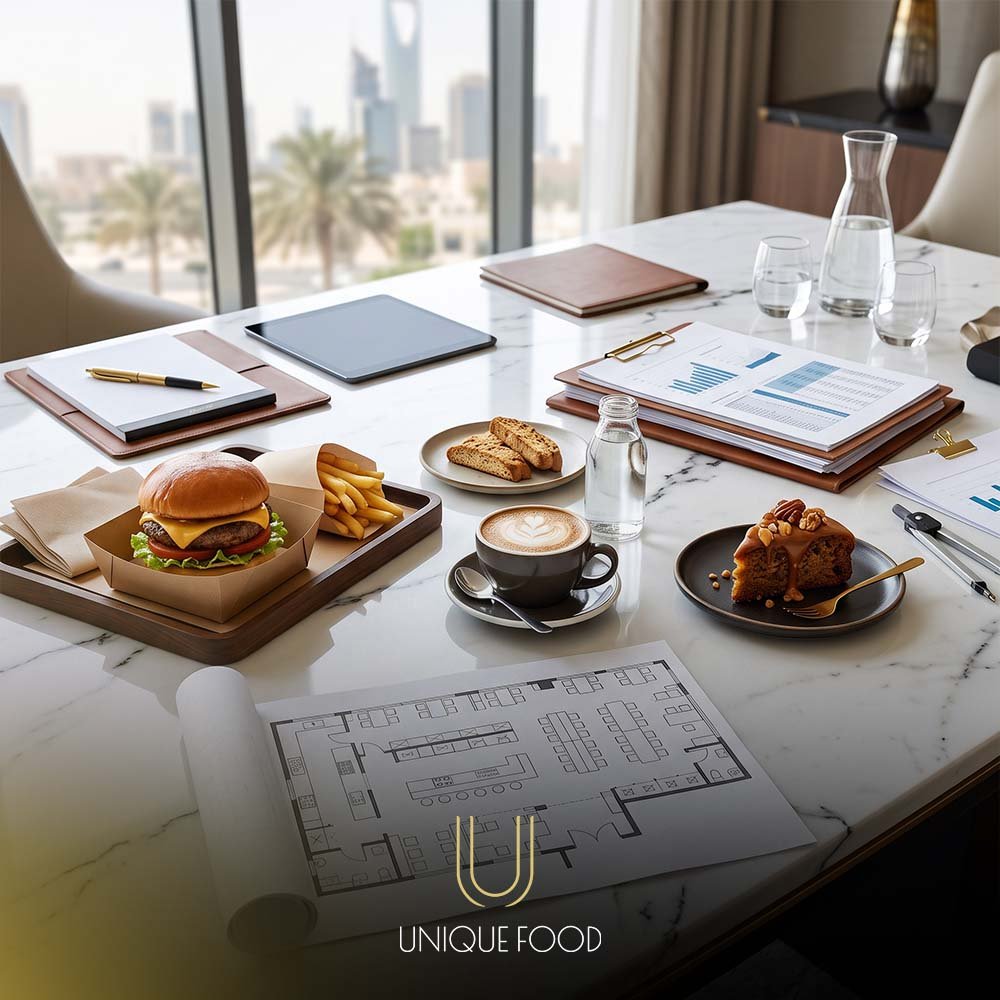
Food Business Investment Saudi Arabia requires more than selecting an attractive food concept. Investors need to understand their target customers, evaluate market demand, prepare a realistic financial plan, and establish efficient operating procedures. A successful food business combines a valuable product with professional management, appropriate positioning, and the ability to respond to changing customer expectations.
Selecting the Right Food Concept
The first decision is determining what type of food business best matches the investor’s objectives. The concept should have a clear target audience, practical operating requirements, and products that can create genuine customer demand. A carefully selected concept provides direction for branding, location, staffing, purchasing, and marketing.
Understanding Customer Preferences
Food businesses depend heavily on customer behavior. Investors should examine what customers prefer, how frequently they purchase meals, what influences their choices, and which service methods fit their lifestyles. Understanding these factors can help create an offering that provides practical value rather than relying only on general market assumptions.
Building an Organized Operation
A food business requires coordination between purchasing, preparation, inventory, staffing, service, and quality control. Clear procedures help employees understand their responsibilities and allow management to monitor performance. An organized operation can also make it easier to identify inefficiencies and improve the business over time.
Planning for Sustainability
The objective should be to create a business that can operate effectively beyond its opening period. Investors should consider recurring expenses, employee requirements, customer retention, product consistency, and future development. Long-term planning provides a stronger foundation for making decisions as the business grows.
Assessing Growth Opportunities
Some food concepts can be expanded through additional branches or new operating formats. Investors should evaluate whether the concept has repeatable procedures, consistent products, and management systems that can support future development without compromising quality.
Why Consider Food Business Investment Saudi Arabia?

Investors exploring Food Business Investment Saudi Arabia should look at the market from both commercial and operational perspectives. A promising opportunity requires more than customer demand; it also needs suitable management, controlled expenses, an appropriate location, and a clear value proposition.
Diverse Food Market
Saudi consumers have varied preferences and dining habits, creating opportunities for different types of food businesses. Investors can focus on specific customer segments and develop concepts that match their needs. Understanding these differences can help create stronger market positioning.
Demand for Convenient Meals
Convenience is an important factor in modern food consumption. Customers may value accessible locations, efficient service, simple ordering, and reliable meal quality. Food businesses that combine convenience with a strong product offering can encourage customers to return regularly.
Opportunities for Different Business Formats
The food industry allows investors to consider various operating formats according to their resources and objectives. The appropriate structure may depend on the menu, target audience, location, service method, and required space. Careful evaluation can help investors choose a format that fits their business strategy.
Potential for Brand Building
A food business can develop recognition through consistent products, professional service, and a distinctive customer experience. Over time, a strong brand can create customer loyalty and provide opportunities for further development when the operating model becomes stable.
Long-Term Market Development
Successful food businesses need to adapt as customer expectations change. New preferences, technologies, ordering methods, and service expectations can influence the sector. Investors who monitor these developments can make more informed decisions about future improvements.
Unique Food and Food Sector Investment
Unique Food is a specialized food company focused on serving meals and supporting investors interested in food-related projects. The company provides practical services that connect investment planning with the operational requirements of developing and managing a food business.
Investment Consultation
Unique Food can help investors assess their objectives and understand the requirements associated with the proposed project. Consultation can address the business concept, target market, location, operating structure, and potential challenges, giving investors a broader perspective before implementation.
Market Analysis
A clear understanding of the target market can improve investment decisions. Unique Food can support investors in examining customer profiles, demand patterns, surrounding commercial activity, and other factors that may influence the suitability of a proposed food project.
Location Selection
Location can affect customer access, operating expenses, visibility, and overall business performance. Unique Food can assist investors in reviewing potential locations according to accessibility, customer traffic, surrounding activities, competition, cost, and compatibility with the intended food concept.
Employee Training
Employees directly influence food quality and customer satisfaction. Training can help staff understand preparation procedures, service standards, cleanliness requirements, operating systems, and their responsibilities. Proper preparation supports greater consistency and helps reduce avoidable operational problems.
Ongoing Support
Food businesses require continuous management after launch. Administrative and technical support can help investors address operational challenges, maintain standards, and identify opportunities to improve performance as the project develops.
Financial Planning for Food Businesses
Before committing to Food Business Investment Saudi Arabia, investors should establish a realistic understanding of the financial requirements. Initial preparation is only one part of the investment, while recurring expenses can have a major effect on the project’s sustainability.
Initial Project Costs
The initial budget may include equipment, premises preparation, furniture, technology, signage, inventory, and other setup requirements. Identifying these expenses in advance allows investors to allocate their resources appropriately and avoid unexpected financial pressure.
Recurring Expenses
Monthly expenses can include rent, salaries, ingredients, utilities, maintenance, marketing, technology, and other operating requirements. Investors should estimate these costs realistically and monitor them continuously after opening to maintain financial discipline.
Working Capital
Food businesses need sufficient cash flow to cover their operating requirements, particularly during the early stages. Working capital allows the business to continue purchasing supplies, paying employees, and maintaining operations while the customer base develops.
Cost Control
Effective cost control does not mean reducing every expense. Instead, management should identify unnecessary waste and inefficient processes while protecting product quality and customer service. Purchasing, inventory, staffing, and operational workflows should all be reviewed regularly.
Financial Monitoring
Sales figures alone do not provide a complete picture of business performance. Investors should also monitor operating expenses, food costs, labor, waste, and other financial indicators. Reviewing these figures helps management identify trends and make timely adjustments.
Factors That Influence Food Business Success
A successful Food Business Investment Saudi Arabia project depends on several connected elements. Investors should pay attention to both the customer-facing side of the business and the operational systems that support it.
Product Quality
Food quality is central to customer satisfaction. Ingredients should be selected carefully, preparation should follow consistent procedures, and quality should be monitored regularly. Reliable products can strengthen customer trust and contribute to repeat purchases.
Customer Experience
The customer experience includes much more than the food itself. Service speed, cleanliness, employee behavior, ordering convenience, and the overall environment can influence how customers perceive the business. Improving these elements can encourage stronger customer loyalty.
Employee Efficiency
Employees are responsible for many daily activities that affect performance. Proper scheduling, clear responsibilities, training, and supervision can improve efficiency. A well-prepared team is better able to handle busy periods while maintaining service and quality standards.
Inventory Management
Inventory requires careful control because both shortages and excess stock can create problems. Organized purchasing, proper storage, stock rotation, and consumption tracking can reduce waste and ensure that essential products remain available.
Customer Feedback
Customer feedback can provide useful information about food, service, convenience, and overall satisfaction. Management should review feedback regularly and look for recurring patterns that indicate where improvements could be made.
Common Mistakes in Food Business Investment
Investors researching Food Business Investment Saudi Arabia should understand that careful preparation can prevent many avoidable challenges. Several common mistakes can negatively affect the performance of an otherwise promising food project.
Choosing a Concept Without Market Research
An appealing idea does not automatically guarantee demand. Investors should understand their intended customers and determine whether the proposed products correspond to local preferences and purchasing behavior before making significant commitments.
Selecting a Location Based Only on Cost
A low-cost location may not provide sufficient customer access. Investors should consider rent alongside visibility, accessibility, parking, customer traffic, surrounding businesses, and target demographics. The goal is to find a commercially appropriate location rather than simply the cheapest one.
Underestimating Operating Expenses
Some investors focus heavily on setup costs while overlooking recurring expenses. Salaries, ingredients, rent, utilities, maintenance, marketing, and working capital should all be included in the financial plan.
Ignoring Employee Preparation
Untrained employees can create inconsistent products, slow service, unnecessary waste, and customer complaints. Proper training should be treated as an essential part of preparing the business rather than an optional activity after opening.
Expanding Too Quickly
Growth should follow operational stability. Investors should first establish reliable procedures and consistent performance before considering additional locations or major expansion. Rapid growth without sufficient preparation can place pressure on finances and management.
Building a Strong Food Business
A sustainable Food Business Investment Saudi Arabia strategy should focus on creating systems that remain effective as the business develops. Strong operations provide the foundation for customer loyalty, financial control, and future growth.
Focus on Core Products
A clear product offering can make purchasing, preparation, inventory, and employee training easier to manage. Focusing on products that customers value can also reduce unnecessary operational complexity while strengthening the identity of the food business.
Maintain Consistent Standards
Consistency is essential for building customer trust. Recipes, portions, ingredients, preparation procedures, cleanliness, and service should follow defined standards. Regular monitoring helps management identify deviations and correct them quickly.
Improve Operational Efficiency
Management should regularly examine how work is performed. Adjusting schedules, reducing waste, improving purchasing, and organizing workflows can increase efficiency. Small operational improvements can contribute to stronger financial performance over time.
Develop Customer Loyalty
Repeat customers can provide stability for a food business. Reliable quality, professional service, convenient ordering, and a positive experience can encourage customers to return. Listening to their feedback can also help the business improve its products and services.
Prepare for Expansion
Once the initial operation becomes stable, investors can evaluate future growth opportunities. Expansion should be supported by trained management, reliable suppliers, adequate financial resources, and procedures that can be replicated without reducing quality.
Steps to Start a Food Business Investment
A successful Food Business Investment Saudi Arabia project should move through a clear sequence of planning and implementation. This approach allows investors to evaluate the opportunity carefully before committing substantial resources.
Define Investment Objectives
The investor should determine the available budget, desired business size, preferred location, involvement level, and long-term goals. Clear objectives make it easier to identify a food concept that fits the investor’s expectations.
Evaluate the Market
The target audience, demand, purchasing behavior, food preferences, and characteristics of the selected area should be studied. Market information helps investors understand whether the proposed concept has a suitable customer base.
Select the Location
Potential sites should be compared according to accessibility, visibility, customer movement, surrounding activities, competition, rental costs, and suitability for the concept. The final location should provide practical access to the intended audience.
Prepare the Operation
The premises, equipment, technology, inventory, and employees should be prepared before launch. Staff training should cover their responsibilities, service procedures, food preparation, cleanliness, and operating standards.
Monitor Performance
After opening, management should track sales, expenses, inventory, waste, customer feedback, and employee performance. Continuous monitoring helps identify areas that need improvement and supports better operational decisions.
Why Choose Unique Food?
Unique Food provides specialized food-sector knowledge and practical support for investors interested in developing food businesses. The company’s services are designed to help investors approach their projects with organized planning and professional operational guidance.
Specialized Food Expertise
The food industry has specific requirements related to meal preparation, ingredients, inventory, staffing, service, and quality control. Unique Food’s specialization in serving meals allows the company to focus on the practical needs of food-related businesses.
Integrated Investment Services
A food project involves several connected decisions. Investment consultation, market analysis, location selection, training, and ongoing support can influence one another. Coordinating these areas creates a more organized approach to project development.
Practical Guidance
Investors may face challenges when evaluating concepts, locations, employees, costs, or operating procedures. Practical guidance can help them understand their options and make decisions according to the actual requirements of the project.
Continuous Assistance
The needs of a food business can change after opening. Administrative and technical support can help investors address operational challenges, maintain standards, and identify opportunities for improvement as customer expectations develop.
Sustainable Business Development
Long-term growth requires more than opening successfully. Strong systems, consistent products, trained employees, customer satisfaction, and disciplined financial management can create a foundation that allows the business to develop responsibly.
Future Potential of Food Sector Investment
Investors considering Food Business Investment Saudi Arabia should think about both current opportunities and future business development. A strong food concept can evolve as customer needs, technology, and operating methods change.
Adapting to Consumer Trends
Customer preferences can change over time. Businesses that monitor these changes can adjust their products, service methods, and customer experience accordingly. Adaptability helps a food business remain relevant without abandoning its core identity.
Using Technology Effectively
Digital ordering, point-of-sale systems, inventory tools, customer communication, and performance reporting can improve operational efficiency. Technology should be selected according to genuine business needs and used to simplify processes rather than create unnecessary complexity.
Strengthening Brand Identity
A recognizable identity can help customers distinguish one food business from another. Consistent presentation, products, service, and communication contribute to building a stronger relationship with customers and creating long-term brand recognition.
Developing New Locations
Once the first operation becomes stable, investors can evaluate additional locations. Expansion should be based on reliable performance and the ability to reproduce the operating model while maintaining the expected standards.
Building Long-Term Customer Value
The strongest food businesses focus on creating lasting value for their customers. Quality products, convenient service, fair positioning, and consistent experiences can encourage repeat purchases and strengthen the relationship between the business and its audience.

Conclusion
Food Business Investment Saudi Arabia can provide investors with meaningful opportunities when approached through careful planning, realistic financial analysis, market understanding, and professional management. Choosing the right concept, studying customers, selecting an appropriate location, controlling operating costs, training employees, and maintaining consistent quality are all essential to building a sustainable food business. Unique Food supports investors through investment consultation, market analysis, location selection, employee training, and ongoing administrative and technical assistance, helping transform a food business idea into an organized project with potential for sustainable development.